Blockchain Applications are reshaping industries with secure, transparent, and decentralized systems. Blockchain removes intermediaries, reduces fraud, and improves efficiency across finance, healthcare, logistics, and digital services. As adoption grows, businesses rely on blockchain to build trust and streamline operations, while users gain stronger data ownership and security.
Blockchain continues to evolve with post-quantum security and integration with AI and IoT. These advancements enable intelligent automation and scalable digital ecosystems, helping startups and enterprises stay competitive in the modern economy.
Blockchain in Finance: Revolutionizing DeFi and Beyond
Finance leads blockchain adoption in 2026, with decentralized finance (DeFi) platforms managing trillions in assets. Users access loans, trading, and yield farming without traditional banks, thanks to smart contracts on networks like Ethereum and Solana.
Lending and Borrowing: Blockchain platforms verify creditworthiness through on-chain data, allowing peer-to-peer lending. In 2026, DeFi protocols incorporate AI for risk assessment, reducing default rates.
Cross-Border Payments: Companies like Ripple and Stellar facilitate real-time remittances, slashing fees from 7% to under 1%. Governments in emerging markets adopt blockchain for central bank digital currencies (CBDCs), with over 100 countries piloting them.
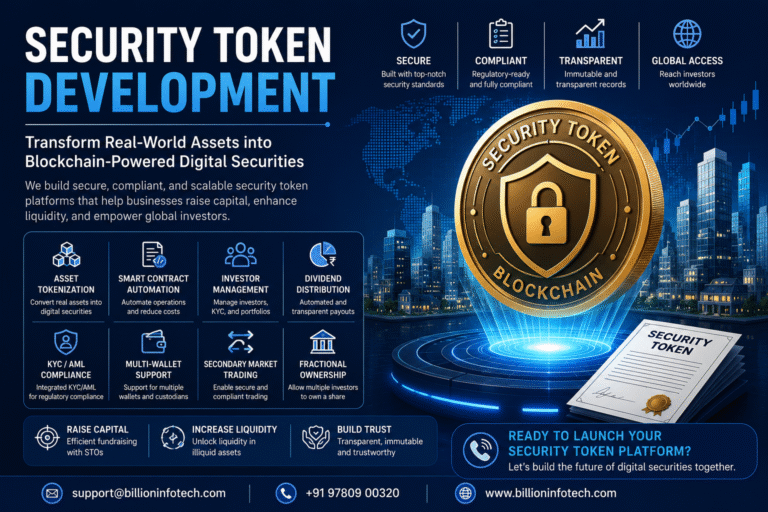
Tokenization of Assets: Real-world assets like stocks and bonds become tokenized, enabling fractional ownership. Platforms such as Securitize transform illiquid markets, attracting retail investors.
Financial institutions partner with
blockchain development companies to build custom solutions, ensuring compliance with regulations like MiCA in Europe.
Supply Chain Management
Blockchain transforms supply chains by providing end-to-end visibility, combating counterfeiting and delays. In 2026, global trade relies on blockchain to track goods from origin to consumer, with IBM’s Food Trust network exemplifying this in agriculture.
Provenance Tracking: Consumers scan QR codes to verify product authenticity, boosting trust in luxury goods and pharmaceuticals.
Smart Contracts for Logistics: These automate payments upon delivery confirmation, reducing disputes. DHL integrates blockchain with IoT for real-time monitoring of shipments.
Sustainability Reporting: Companies prove eco-friendly practices through immutable records, aligning with EU’s Green Deal mandates.
Businesses seeking robust implementations turn to experts at
Billion Info Tech for tailored blockchain integrations that optimize supply chains.
Healthcare: Securing Patient Data
Healthcare leverages blockchain to protect sensitive data and improve interoperability in 2026. Patients control their medical records via decentralized identities, granting access only to authorized providers.
Clinical Trials Management: Blockchain ensures data integrity, speeding up approvals. Pfizer employs it for tamper-proof trial results.
Telemedicine and Insurance: Smart contracts automate claims processing, cutting administrative costs by 30%. Insurers verify treatments instantly.
Genomic Data Sharing: Researchers collaborate securely, accelerating personalized medicine breakthroughs.
Voting and Governance
Blockchain secures elections and corporate governance in 2026, minimizing fraud and increasing participation. Estonia’s e-voting system inspires global adoption, where voters cast ballots via mobile apps with cryptographic verification.
Secure Voting Mechanisms: Blockchain records votes immutably, allowing audits without compromising anonymity.
Corporate Shareholder Voting: Companies like Overstock use it for proxy voting, enhancing shareholder engagement.
Public Policy Referendums: Governments experiment with blockchain for citizen input on policies, fostering democracy.
NFTs and Digital Assets
Non-fungible tokens (NFTs) evolve beyond art in 2026, representing ownership in virtual and physical worlds. The metaverse thrives on NFTs for virtual real estate and avatars. Brands like Nike issue NFT sneakers that unlock real-world perks.
Intellectual Property Protection: Artists register works on blockchain, automating royalties via smart contracts.
Gaming Assets: Players own in-game items across titles, with Axie Infinity’s model generating billions in user economies.
Collectibles and Experiences: Events sell NFT tickets, providing verifiable access and memorabilia.
As Web3 grows, businesses explore NFT strategies with guidance from industry leaders.
Gaming: Creating Immersive, Player-Owned Economies
Blockchain gamifies experiences in 2026, empowering players with true ownership. Play-to-earn models reward users with cryptocurrencies, as seen in games like The Sandbox. Developers build on platforms like Polygon for low-cost transactions, enabling seamless asset trading.
Interoperable Assets: Items transfer between games, creating a unified ecosystem.
Esports and Tournaments: Blockchain verifies fair play and distributes prizes transparently.
VR/AR Integration: Metaverse games use blockchain for secure virtual economies.
This shift attracts millions, with
Billion Info Tech assisting in developing blockchain-enhanced games.
Real Estate: Simplifying Transactions and Ownership
Real estate adopts blockchain for faster, cheaper deals in 2026. Tokenization allows fractional property ownership, democratizing investment.
Title Management: Blockchain prevents fraud in property records, with countries like Georgia leading digital registries.
Rental Agreements: Smart contracts automate leases and payments.
Crowdfunding Real Estate: Investors pool funds via tokens, accessing high-value properties.
These innovations make real estate accessible, supported by expert development services.
IoT and AI Integration: Powering Smart Systems
Blockchain secures IoT devices in 2026, preventing hacks in connected ecosystems. AI algorithms process data on-chain for unbiased decisions.
Data Marketplace: Users sell IoT-generated data securely.
Predictive Maintenance: Blockchain logs equipment history for AI analysis.
Supply Chain Automation: AI optimizes routes using blockchain-verified data.
Energy and Sustainability: Decentralizing Grids
Blockchain facilitates peer-to-peer energy trading in 2026, empowering renewable sources. Prosumers sell excess solar power via platforms like Power Ledger.
Carbon Credit Tracking: Immutable ledgers verify emissions reductions.
Grid Management: Smart contracts balance supply and demand.
EV Charging Networks: Blockchain enables seamless payments.
These applications support net-zero goals, transforming energy sectors.
Conclusion about Blockchain Applications
Billion Info Tech leads the way as blockchain applications in 2026 redefine efficiency, security, and innovation across industries. DeFi removes traditional financial barriers, and blockchain enhances healthcare through trusted data exchange. Organizations that embrace this technology secure long-term growth, while those that resist face rapid disruption in an evolving digital landscape.
Ready to harness blockchain for your business?
Contact Billion Info Tech, the leading
blockchain development company in Chandigarh, for expert consultations and custom solutions. Transform your operations today—schedule a free demo now!
Faqs about Blockchain Applications